
Sinus surgery (FESS)
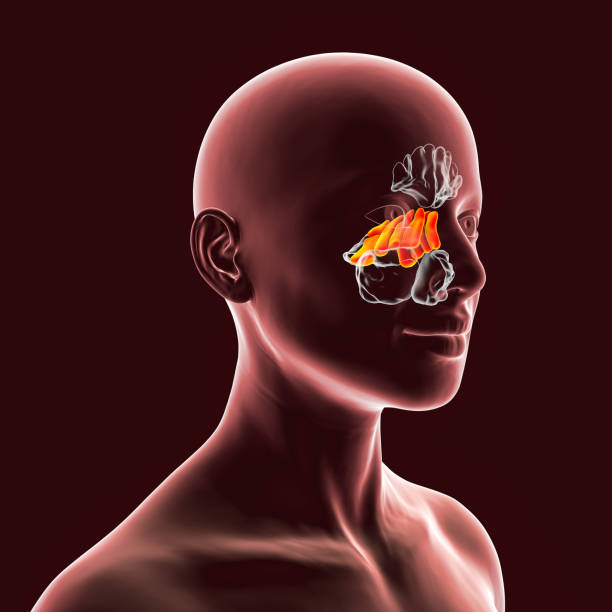
An endoscopic sinus surgery is usually undertaken to bring relief from chronic rhinosinusitis (inflammation in nose and sinuses that's unrelieved for at least 3 months) that's not responding satisfactorily to medications. The cause of this inflammation can be anything from infection, allergies and irritants to polyps (non-cancerous swelling of the nasal/sinus lining).
Risks & Complications
Bleeding & Infection
Significant bleeding may occasionally require termination of the procedure. Like any surgery, there is a risk of post-operative infection treated with antibiotics.
Neurological Risks
Operations on the ethmoid, sphenoid, and frontal sinuses carry a small chance of a Cerebrospinal Fluid (CSF) leak.
Sensory Changes
Permanent loss or decrease in the sense of smell can occur following nasal and sinus surgery.
Rare Complications
Visual loss is extremely rare but reported. General anesthesia also carries occasional but serious risks.
Crucial Post-Op Rule:
You should NOT blow your nose for at least two weeks following surgery. As normal sinus drainage becomes reestablished you may blow out some thick bloody mucus after this period, which is normal.
Post-Operative Care
Some bloody discharge may occur for approximately two weeks after this procedure. This is normal and slowly improves. After surgery, you will receive detailed instructions for your postop care.
Typical Recovery Measures:
- Nasal Irrigations
- Oral Antibiotics
- Pain Medicine