Septoplasty And Turbinate Surgery
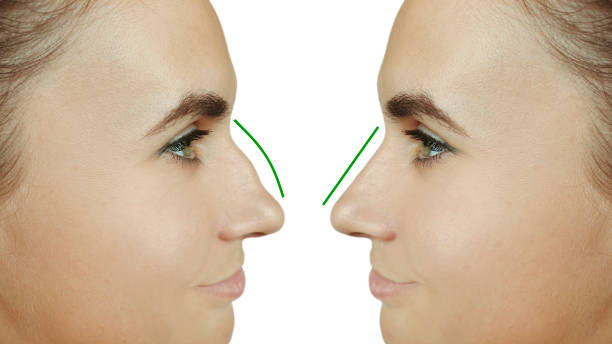
Located right between the right and left sides inside the nose is an about 7 cm long (in adults) thin piece of cartilage and bone called septum that separates the two nostrils. In some cases, because of an injury or due to natural growth, this septum bends to one or both sides creating a nasal blockage. The surgery performed to reposition this septum is called a septoplasty.
Risks & Considerations
As with any surgical procedure, septal and turbinate procedures have associated risks. Although the chance of a complication occurring is very small, it is important that you understand the potential complications.
Bleeding & Infection
Most nasal surgery involves some degree of bleeding. The nose is not a sterile environment, and infection can occur after surgery.
Nerve & Sensation
Temporary tooth and nose numbness can occur as nerves to the upper jaw come through the nose.
Septal Perforation
A hole in the nasal septum (perforation) can develop during or after surgery, especially with infection.
Rare Complications
Toxic Shock Syndrome is extremely rare. Subtle changes in smell, taste, or voice quality may occur.
Post-Operative Care
You can expect to have pain, fatigue, nasal stuffiness, and mild nasal drainage after your surgery. Pain is generally mild with this type of surgery and is typically well controlled with pain medications by mouth. The stuffiness typically results from swelling after the procedure, and typically starts to improve after the first week. You may have drainage of some mucus and blood from your nose after surgery. This is a normal part of the healing process.
Home Care Instructions:
You may be asked to use saline sprays or irrigations after your surgery. Please check with your surgeon about any post-operative care you will need to perform to allow your nose to heal properly.