
Cochlear Implant Surgery
What is cochlear implant surgery?
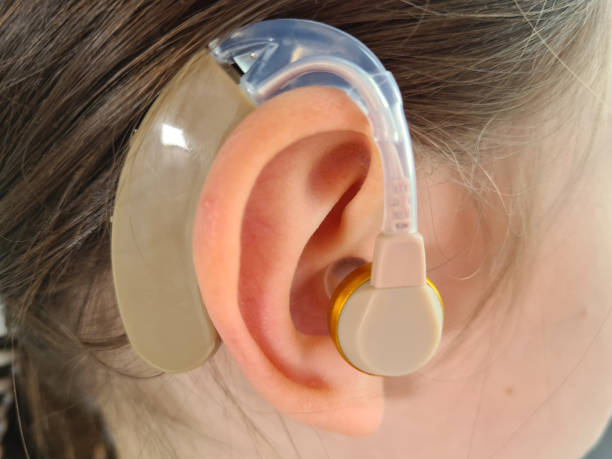
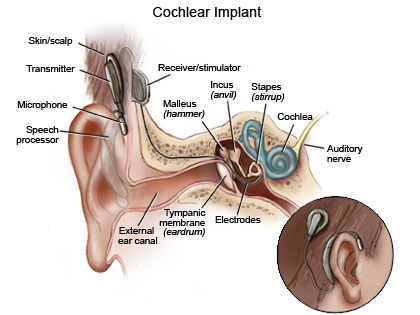
A cochlear implant is a small, complex electronic device that can help to provide a sense of sound to a person who is profoundly deaf or severely hard-of-hearing. The implant consists of an external portion that sits behind the ear and a second portion that is surgically placed under the skin.
Procedure Timeline
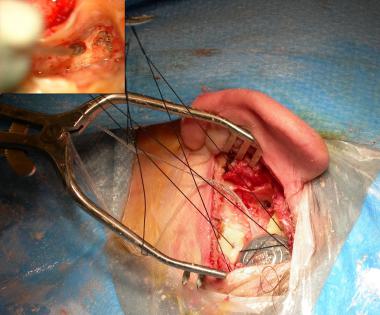
Cochlear Implant surgery usually takes from three to four hours. During the operation, a small incision is made behind the ear and the internal device (called the receiver stimulator) is placed under the skin and is secured to your child's skull.
Investment & Coverage
More expensive than a hearing aid, the total cost of a cochlear implant, including evaluation, surgery, device, and rehabilitation can cost as much as $100,000. Fortunately, most insurance companies and Medicare provide benefits that cover the cost.
What results can be expected?
As with any medical procedure, the results of implantation cannot be predicted prior to surgery and recipients may experience a wide range of outcomes. For individuals who lost their hearing after learning to speak, the perception of speech and sounds after implantation may initially seem quite different from what they remember. After using the cochlear implant for several months or more, these individuals often report that they perceive speech to be more natural or closer to their memory of familiar sounds.
Success Factors:
- Pediatric: The younger a child born deaf is implanted, the greater the benefit in speech and language development.
- Adult: Shorter duration between the onset of deafness and implantation tends to lead to better outcomes.
Roles in the Implant Process
Audiologists are involved in many of the components of the cochlear implant program, including determining the candidacy of an individual for implantation, as well as activating and programming of the speech processor after surgery.
Both audiologists and speech-language pathologists provide aural rehabilitation services to implant recipients to facilitate their ability to detect and understand speech with the cochlear implant. Aural rehabilitation services may include:
- Processes to enhance communication
- Auditory training and speechreading
- Training on the use and care of the implant
- Support for recipient and family needs